Trekking near Delhi: Your Ultimate Guide to Nearby Trails and Nature Escapes
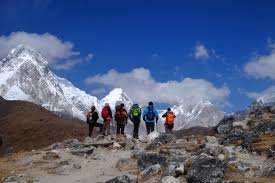
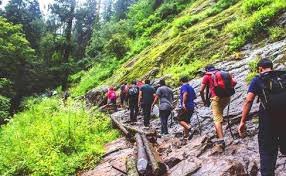
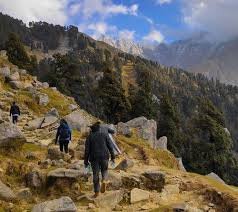
Trekking in Delhi offers an unexpected escape from city chaos. While Delhi itself isn’t mountainous, its strategic location close to the Aravalli hills and foothills of the Himalayas makes trekking in Delhi an exciting opportunity for weekend adventurers. This guide explores the best options—from gentle nature walks along the Delhi Ridge to beginner-friendly Himalayan treks like Nag Tibba and Chopta‑Chandrashila. Whether you’re a first-time trekker seeking trekking in Delhi or a seasoned hiker planning a quick getaway, read on for the top routes, planning tips, and insider suggestions.
Why Choose Trekking near Delhi?
Accessibility
Trekking in Delhi is one of the most convenient outdoor activities—no long drives required. From Madhya Pradesh Ridge and Asola Bhatti Wildlife Sanctuary to nearby Harayana’s Aravallis and Uttarakhand’s lower Himalayas, a spectrum of treks begins right at the city’s doorstep.
Variety for All Skill Levels
Whether you’re after urban nature walks or Himalayan vistas, trekking in Delhi delivers:
-
- City‑edge nature: Explore Asola Bhatti Wildlife Sanctuary and Delhi Ridge for wildlife and history.
-
- Beginner Himalayan treks: Try weekend escapes like Nag Tibba or Chopta for panoramic views and easy routes.
-
- Authentic cultural experiences: Combine trekking in Delhi with stops at ancient forts, temples, and wildlife corridors.
Great for Wildlife & Ecology Lovers
Trekking in Delhi means encountering bird-rich habitats—villages like Mangar Bani and Asola Bhatti shelter unique biodiversity along the Northern Aravalli leopard corridor.
Top Spots for Trekking near delhi
1. Delhi Ridge & Asola Bhatti Wildlife Sanctuary
Ideal for an urban trek, these areas deliver greenery and history:
-
- Delhi Ridge spans 35 km along the Aravalli Range, serving as Delhi’s green lung and offering birdwatching and geology lessons.
-
- Asola Bhatti Wildlife Sanctuary preserves scrub forest with diverse fauna—leopards, blackbuck, butterflies, and over 190 bird species—and trails like the 2 km Nature’s Trail from the Conservation Education Centre.
2. Mangar Bani Sacred Grove
It can mean visiting Mangar Bani, an ancient forest with Stone Age tools and cave art older than 100,000 years. This biodiversity zone is home to native forests, leopards.
3. Weekend Treks in the Himalayas
For trekking in Delhi that ventures into alpine realms, these are the top picks:
Nag Tibba (Snake’s Peak)
-
- Distance: ~350 km from Delhi, trek 8 km each way.
-
- Why trek: A short, beginner-friendly Himalayan trek with camping, lush forests, scenic views, and a sacred temple at the summit devoted to Nag Devta.
-
- Best for: Beginners and families. Accessible year-round; snow in winter; pleasant weather in summer and fall.
Chopta–Chandrashila Trek
-
- Distance: About 450 km from Delhi in Uttarakhand.
-
- Trail highlights: Deodar and oak forests, rhododendrons, holy Tungnath Temple, and panoramic views from Chandrashila (peaks like Nanda Devi, Chaukhamba).
Deoria Tal Trek
-
- A beginner-friendly trek to a reflective alpine lake framed by forests and snow-capped peaks.
Benog Tibba Trek
-
- Located in Mussoorie Wildlife Sanctuary; a short, one-day trek through dense forest to meadows with views of Mussoorie Ridge.
Kareri Lake, Bhrigu Lake, and Parashar Lake Treks
-
- Kareri Lake: High altitude lake amid oak, pine, rhododendron trails near Dhauladhar Range.
-
- Bhrigu Lake: Alpine meadows and views of peaks like Friendship Peak along a moderate trail.
-
- Parashar Lake: Two-day trek to a scenic alpine lake—great for nature and serenity.
Churdhar Trek
-
- The highest peak outside the main Himalayan range, set in dense deodar forests and alpine zones. Offers sweeping views of Badrinath, Kedarnath, Shimla, and more.
Damdama Lake / Aravalli Hills (Monsoon Treks)
-
- Damdama Lake Trek: Easy monsoon trek near Gurgaon with greenery, trekking and boating options.
- Aravalli Hills treks: Excellent for monsoon trekking near Delhi to enjoy lush hills and small peaks
Hidden Trails and Untapped Escapes Around the Capital
The northern belt of India holds secrets waiting to be explored. Beyond the historical architecture and crowded tourist circuits, there exists a quieter, more elemental India—one that hums through shaded forest paths, echoes in birdsong, and winds along remote hillsides where cell reception fades but connection deepens.
Nature Walks Inside the Metropolis
Contrary to expectations, the National Capital Region isn’t just a stretch of concrete and glass. Pockets of wilderness remain resilient amidst urban growth. Spaces like the Sanjay Van forest offer a glimpse into Delhi’s natural heritage, where narrow dirt tracks cut through dense scrub, leading to forgotten ruins and dry streambeds now reclaimed by wildlife.
Similarly, the Aravalli Biodiversity Park, nestled near Vasant Kunj, is a restored landscape that now plays host to over 200 species of native plants, numerous bird species, and even jackals. It’s not just an ecological revival but a reminder of what can be recovered when nature is prioritized in city planning.