Delhi never progresses along a linear course of time. Time merely overlaps, collides with itself, and co-exists. Ancient forts are located beside modern roads, Mughal tombs lie side by side with thriving markets, and colonial roads sometimes lead into centuries-old neighborhoods. If one needs to truly explore and appreciate India’s capital, one must venture into the city’s past and its present. A tour of the Old and New Delhi monuments is a great way to do Old and New Delhi monument tour this with namastey exprience .
But it is not just about moving from one place to another and marking off the places you visit from the list of must-see attractions. It is about exploring the layers of historical sights, the story of the empires that came and went, and the ways in which the traces of those empires can be felt in everyday life. Visiting the monuments at Old and New Delhi gives the visitor the full story of the city, which includes grandeur, spirituality, power, and strength Old and New Delhi monument tour.
Why Exploring Both Old and New Delhi Matters
Many tourists fall into the trap of seeing only the one-dimensional view of Delhi. For some tourists, the focus is only on the old city; for others, they prefer the new. But to get the feel of the city, to know the real Delhi, you have to tour both Old and New Delhi monument tour.
An Old and New Delhi monument tour links two worlds. Old Delhi is a remnant of the Mughal period, with its narrow streets, mosques, forts, and bazaars developed hundreds of years ago. New Delhi, on the other hand, reflects a new history, that of colonial styles and Indian political identity with broad avenues, memorials, and well-planned buildings Old and New Delhi monument tour.
Together, they tell a complete story—a story of continuity, change, and survival.
Old Delhi: The Living Heart of History
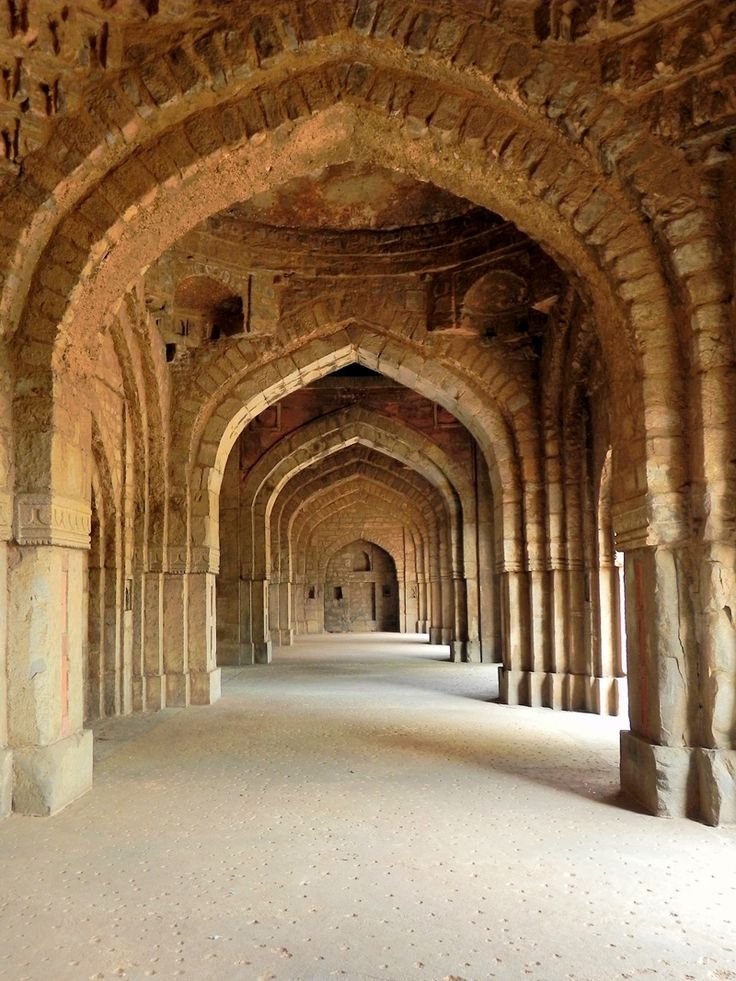
Old Delhi, also referred to as Shah was established by the 17th-century Mughal emperor Shah Jahan. Yet, it lives like it was locked in time in the past. Walking through Old Delhi is like walking through time while the world moves on Old and New Delhi monument tour.
These are not isolated monuments. They are very much a part of people’s everyday life. Prayers, business deals, meals, and socializing take place in and through these establishments, many of which have been around for centuries. This is what makes the Old and New Delhi monument tour rather special. This is where history does not remain stuck in the past. This is where history comes alive Old and New Delhi monument tour.
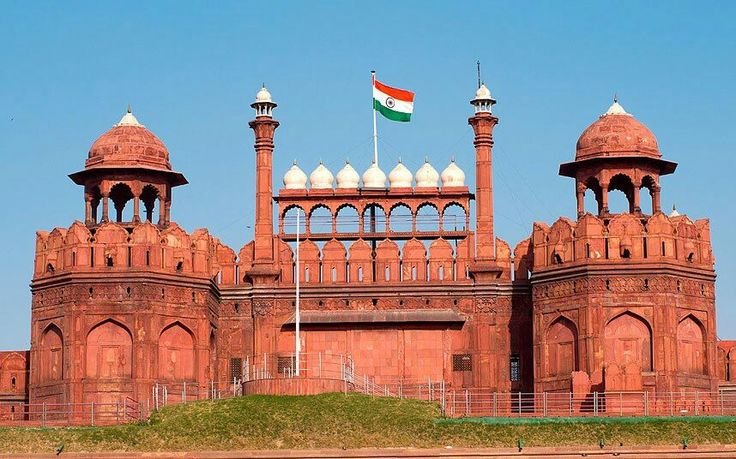
Red Fort: Symbol of Power and Independence One of the more important places to visit in Old Delhi is the Red Fort. Constructed from red sandstone, this structure was originally the seat of the Mughal Empire. They have seen the pomp and circumstance of royal rituals, the outcomes of invasions, and even Indian freedom Old and New Delhi monument tour.
As one wanders through its halls, courtyard, and gateways, one gets an idea of the sheer size and ambition of the Mughal Empire. Today, the Red Fort also stands as a symbol of national pride, upon which the Indian Prime Minister delivers a speech to the nation on Independence Day Old and New Delhi monument tour.
No tour of the Old and New Delhi monuments would ever be complete without understanding the historical significance of the iconic fort Old and New Delhi monument tour.
Jama Masjid: The Spiritual Grandeur at its Best Famous landmarks: Close to the Red Fort is the Jama Masjid mosque, which is among the largest mosques in the country. It is an architectural marvel, made of red and white marble, and was built by Shah Jahan Old and New Delhi monument tour.
Climbing up the stairs offers a fantastic view of the rooftops of Old Delhi, while standing at the courtyard gives a sense of relief from all the chaos around. The mosque is not just an architectural landmark but is also used for rituals, reminding us that religion is at the core of Delhi’s identity Old and New Delhi monument tour.
This spiritual connection is an additional emotional dimension to any tour of the Old and New Delhi monuments Old and New Delhi monument tour.
Chandni Chowk: History Beyond Stone & Walls
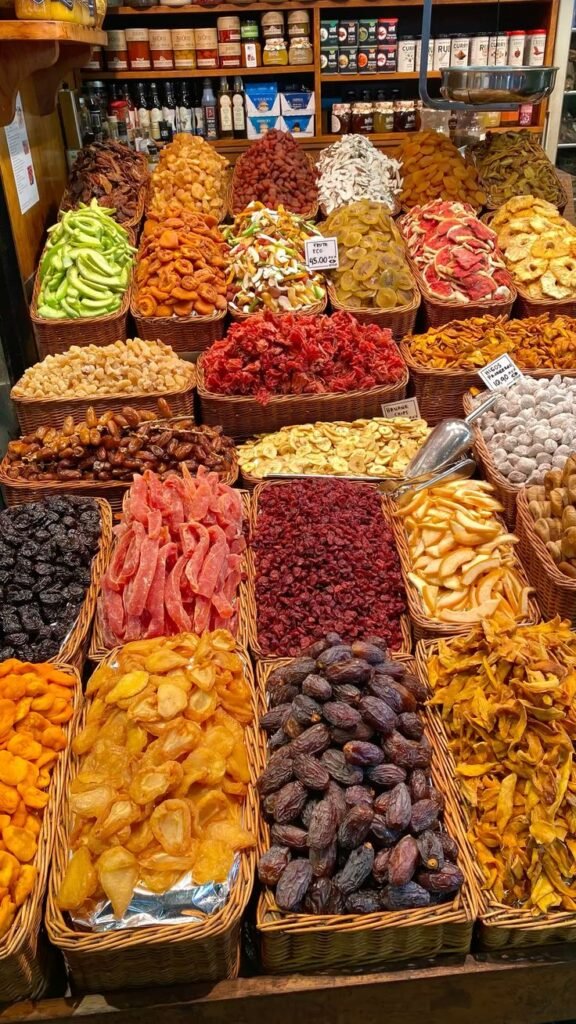
Although not really a monument, Chandni Chowk is an integral part of the legacy left behind by Old Delhi, which was once a magnificent Mughal market and continues to be one of India’s busiest markets.
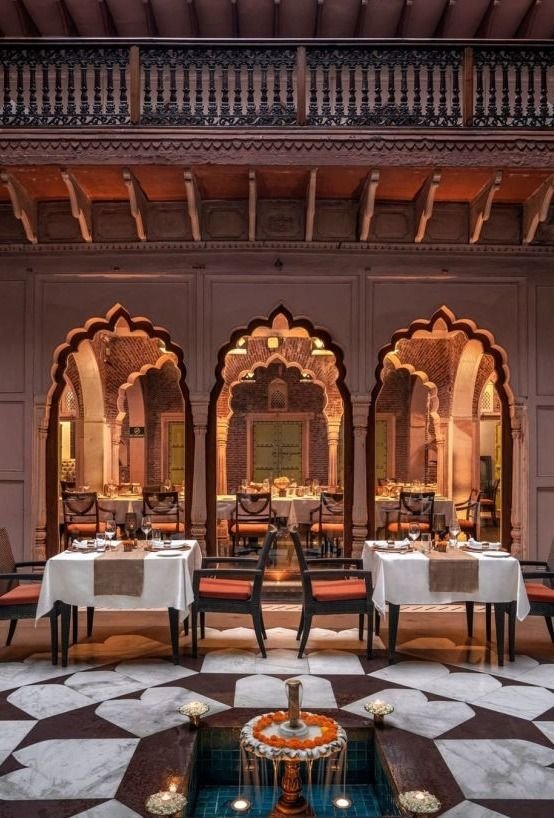
Here, you will feel the history through movements, sounds, and even smells. Ancient havelas, temples, and mosques coexist with shops, including those selling spices, textiles, and food. Visiting this place will give you the experience of seeing the presence of historical monuments in the context of the living populace.

Transitioning from Old Delhi to New Delhi
As you move from Old Delhi to New Delhi, there’s a dramatic change. You can see a transition from narrow lanes to wider roads. There’s a change in style from Mughal to colonial. There’s a sense of calm, a sense of structure.
This transition is an important part of the Old and New Delhi monument city tour. It demonstrates “how the city adjusted to new rulers, new ideas, and modern rule without forsaking its cultural heritage.”
New Delhi: The Vision of a Colonial Capital
New Delhi, planned by architects like Edwin Lutyens and Herbert Baker in early 20th-century colonial India, originally symbolized imperial power, order, and control. Today, it is the political center of independent India.
The monuments in New Delhi are magnificent, symbolic, and well-planned. These symbols of power, memory, and identity will add a new dimension altogether to your trip.
India Gate: A Monument of Memory and Sacrifice
The India Gate stands tall, like a sentinel in the heart of New Delhi, as a tribute to all Indian soldiers who lost their lives during World War I. Its simplicity and scale make it one of the city’s most recognizable landmarks.
Unlike most monuments, India Gate is a social space, too. Families picnic, kids play, and people can relax on the lawns. This blend of remembrance and everyday life makes it worth a stop on an Old and New Delhi monument tour.
Rashtrapati Bhavan: Power and Architecture Combined
It is probably the most magnificent building in the country, Rashtrapati Bhavan, which is meant to be the official residential site of the President of India. Actually, this was designed as Viceroy’s House during British times and ever since then has been a symbol of authority and governance.
Its sweeping domes, gardens, and symmetry speak volumes of colonial architectural chutzpah. A tour through it helps visitors understand how political power was once showcased—and how it has been redefined in modern India.
Humayun’s Tomb: The Bridge Between Eras
Humayun’s Tomb is one of the most significant monuments of Delhi from a historical and architectural point of view. It was constructed in the 16th century and brought Persian garden-style tomb architecture to India for the first time, before the creation of the Taj Mahal.
Being closer to New Delhi, it acts as a bridge between the Old and the New. Visiting the site on your Old and New Delhi Monument tour will give you a sense of the connection between Mughal beauty and modern conservation efforts.
The peaceful gardens and balanced design provide an opportunity for contemplative thought in a busy schedule.
Qutub Minar: Echoes of Delhi’s Earliest Dynasties
Qutub Minar rises majestically as a symbol of the city’s earliest Islamic rulers. This towering minaret, built amidst ancient ruins, has stories to tell since the 12th century.
It is one of the oldest monuments in Delhi, and it has been designated a UNESCO World Heritage Site. Adding Qutub Minar to your Old and New Delhi monument tour will highlight how ancient Delhi’s history actually was.
Why Choose Explore Delhi with Namastey Exprience
As Delhi is a complex place to explore, it demands proper research and suitable company. And therefore, with Namastey Exprience enabling you to explore this great city, you make your experience complete.
Namastey Exprience is all about creating experiences, not stays. They understand the needs of travelers who want to explore the destination while staying comfortably.
Better Rooms in the Best Locations
One of the biggest challenges associated with Delhi is the location. The distances can be high, and the traffic can be unpredictable. Namastey Experience solves this by providing better rooms in the best locations, near the major monuments and cultural attractions. On a day when one has been traveling and visiting forts, tombs, etc., returning to a clean, comfortable room in an accessible location is the greatest reward for an Old and New Delhi monuments tour.
Comfort that Complements Exploration
Namastey Exprience ensures that “comfort supports exploration rather than limits exploration.” The rooms are designed so that guests can rest, relax, and have their private time, as there is nothing better than resting after exploring historical tourist sites.Good sleep, good transportation, and a peaceful environment enable travel enthusiasts to live every day to its fullest, untainted by fatigue.
A Balanced Way to Experience Delhi
The difference with Namastey Exprience is that they achieve a balance. They are a place where you can explore something wonderfully historic, and also a place where you can end your day with a soothing atmosphere. This balance is certainly important when considering a comprehensive tour of the Old and New Delhi monuments. This tour can be a both physically and mentally demanding exercise.
Contact
📍 Location: J-BLOCK 203, Ground Floor, Saket, New Delhi – 110017
📞 Call: +91 9990836740 | +91 9650187772
🌐 Book Now: www.namasteyhomes.com
| www.namasteyhomes.in
✨ NamasteyHomes—Where utility meets ultimate comfort.