Delhi is a city that seamlessly weaves together the past and the present. Whether it is the bustling markets or the peaceful monuments, it is a city that has stories of emperors, craftsmen, and the passage of time etched into its fabric. Of the many historical treasures that Delhi holds, Humayun’s Tomb is a tribute to the grandeur of the Mughal era, the ingenuity of its architecture, and the timeless beauty that it exudes. A trip to Humayun Tomb Delhi is not merely a visit to a monument; it is an experience that transports one to a world of history, nature, and heritage that stays with one forever.
This experience can be further enhanced when it is undertaken with Namastey Exprience.
A Glimpse into History
Humayun’s Tomb was built in 1569-70 by Haji Begum, the widow of the Mughal Emperor Humayun. It was a turning point in Mughal architecture as it was the first garden tomb on the Indian subcontinent. The tomb was designed by Persian architect Mirak Mirza Ghiyas and featured the Charbagh garden design, a symmetrical quadrilateral garden divided by roads and waterways, which represented paradise in Islamic tradition.
Prior to the Humayun Tomb Delhi, Indian mausoleums were designed in a simpler manner. However, the Humayun Tomb was a precursor to the design of other Mughal monuments such as the Taj Mahal. A walk through the place today reveals the impact of Persian design sensibilities and local architectural skills, which have created a beautiful amalgamation of elegance, symmetry, and majesty.
Architectural Marvels of Humayun’s Tomb
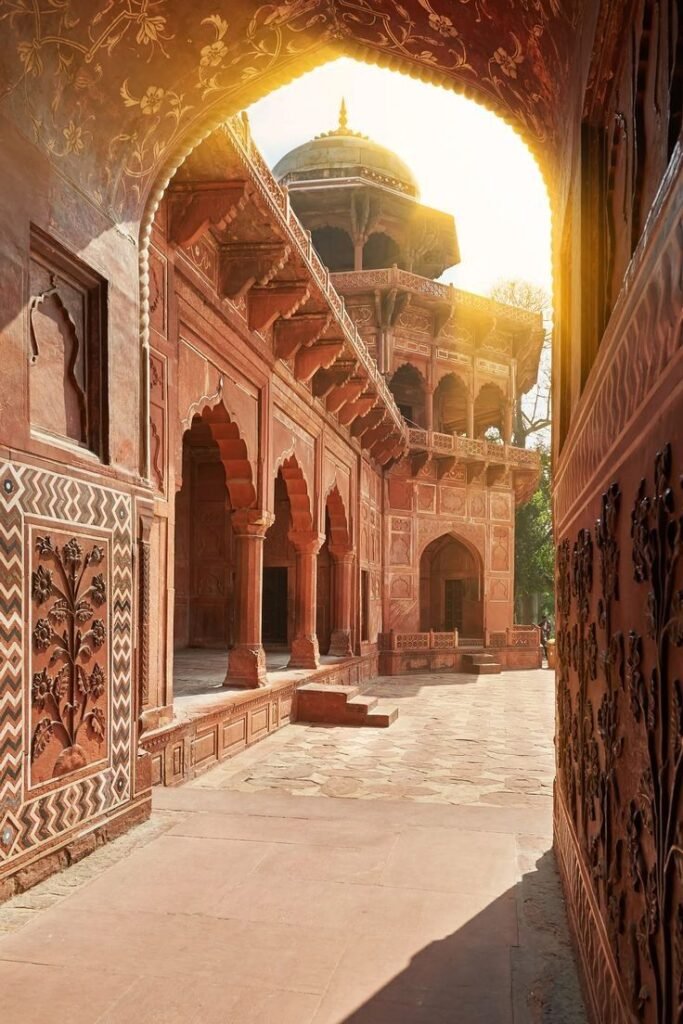
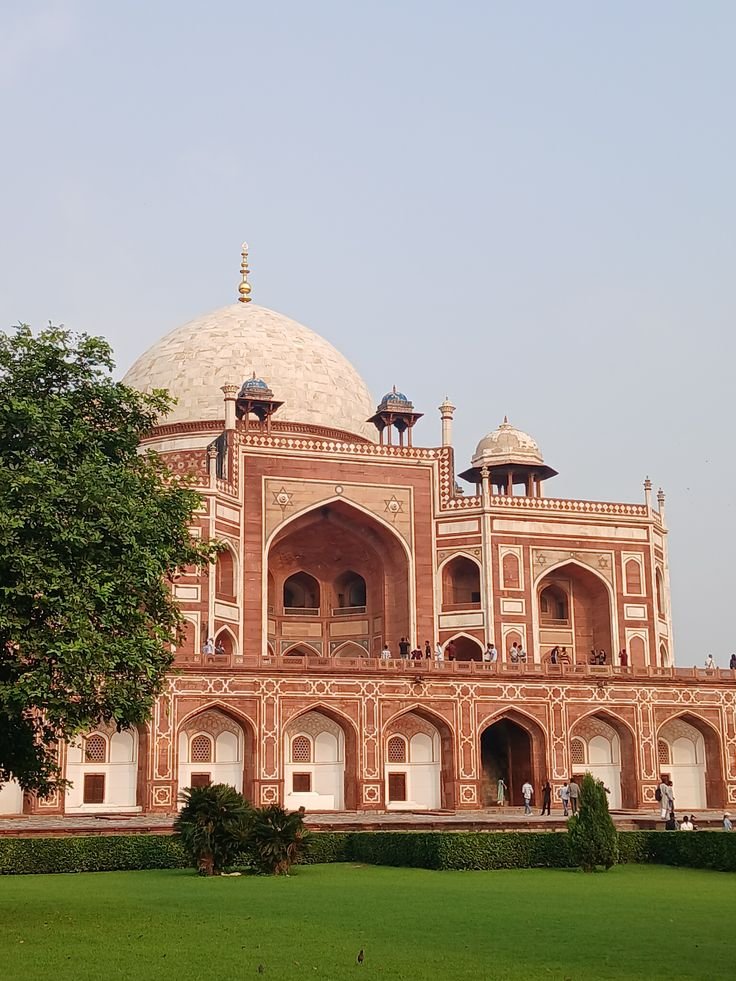
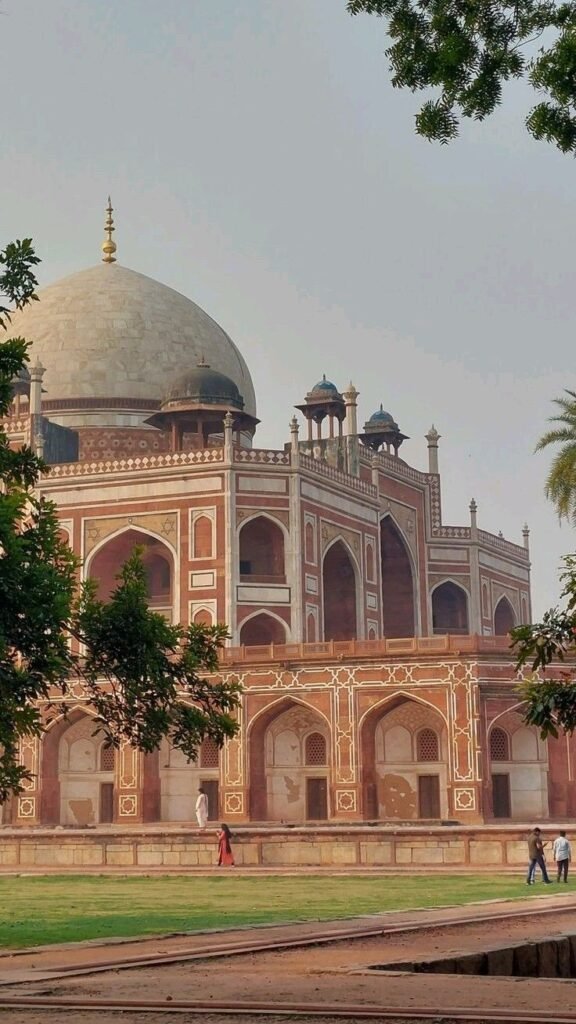
It is the unique design of Humayun’s Tomb that attracts tourists from all over the world. The central dome, made of white marble, stands majestically on top of the red sandstone building, symbolizing the perfect contrast that defines Mughal architecture. The arched entrances, latticework, and balconies reflect the attention to detail that was involved in its design and construction.
Humayun’s Tomb is situated on a raised platform, providing tourists with a panoramic view of the Charbagh garden that surrounds the monument. Water features, fountains, and greenery provide a serene environment, making Humayun Tomb Delhi not only a historic monument but also a place of solace and peace.
The tomb chamber of Humayun’s Tomb, which houses Emperor Humayun and other members of the Mughal dynasty, is another fascinating aspect of the monument. The chamber is characterized by intricate inlay work and carvings, providing a glimpse into the artistic and cultural values of the Mughal period.
The Charbagh Garden: History Meets Nature
One of the most interesting features of Humayun Tomb Delhi is its Charbagh garden, which brings the monument to life. The garden is segmented into four equal parts, which are interlinked by waterways and walkways. This design not only symbolizes paradise in Persian culture but also reflects the Mughals’ knowledge of garden design and aesthetics.
Visiting Humayun’s Tomb during the early morning or late afternoon hours will enable you to explore the garden in soft sunlight, which is ideal for photography or a quiet walk. The change in seasons and the provision of shaded walkways will further add to the feeling of serenity and harmony, which is in contrast to the hustle and bustle of the city outside.
Humayun Tomb Delhi: A UNESCO World Heritage Site
Humayun’s Tomb was declared a UNESCO World Heritage Site in 1993, solidifying its position as a landmark of architectural and cultural importance on a global scale. This status is a testament to its significance as a precursor to other Mughal architecture and its excellent state of preservation.
UNESCO also points out the importance of Humayun’s Tomb in terms of its ability to link the history of the Mughal era to its socio-cultural context. This is because Humayun Tomb Delhi has been preserved so well that it continues to awe new generations of tourists, historians, and architects
Why Humayun’s Tomb is Unique
Architectural Innovation – It was the first garden tomb in India and an example of what was to come in Mughal architecture.
Serene Surrounds – Unlike most crowded sites, the gardens provide a peaceful environment.
Cultural Importance – As the resting place of the Mughal dynasty, it is a glimpse into their history.
Photographer’s Delight – Symmetry, gardens, fountains, and intricate architecture make it a photographer’s paradise.
Accessibility – Being situated in Nizamuddin East, it is easy to visit in conjunction with other sites such as Sunder Nursery and Nizamuddin Dargah.
Nearby Attractions to Complement Your Visit
Sunder Nursery – A heritage park that has been beautifully restored and features fountains, rare trees, and restored monuments.
Nizamuddin Dargah – A spiritual destination that is well-known for its Sufi qawwalis and local culture.
Isa Khan’s Tomb – Another hidden gem that is located in the Humayun complex and features early Mughal architecture.
Hazrat Nizamuddin Basti – Provides a glimpse into old Delhi’s culture and residential life.
Tips for Visiting Humayun Tomb Delhi
Best Time to Visit: October to March for favorable weather conditions. Early morning or late afternoon is the best time for photography with less crowd.
Photography: Symmetry and golden hour light make this place a photographer’s paradise. Tripods are generally permitted outside the tomb.
Footwear: Comfortable walking shoes are advised, as you will have to walk through the gardens and platform area.
Eating Out: Try local cuisine around Nizamuddin Basti after visiting the place for a true cultural experience.
Combine Tours: Sunder Nursery and Nizamuddin Dargah.
Experiencing Humayun Tomb Delhi Beyond Sightseeing
What makes Humayun’s Tomb so unforgettable is not only its architecture but the fact that it links you to history. Walking through its gardens, listening to the sound of water trickling, and admiring the majestic dome is an experience that brings you a sense of oneness with nature, art, and human achievement.
The gardens are not only aesthetically pleasing but also carry some philosophical notions of balance, paradise, and harmony. Each fountain, each walkway, and each arch has a story to tell about the ambitions and passions of the Mughals. Namastey Exprience brings all these stories alive.
Why Choose Namastey Exprience to Explore Delhi
Exploring Delhi on your own can be exciting, but the city’s history, culture, and hidden gems often remain partially uncovered without local insight. That’s where Namastey Exprience makes all the difference. Here’s why it stands out
Contact
📍 Location: J-BLOCK 203, Ground Floor, Saket, New Delhi – 110017
📞 Call: +91 9990836740 | +91 9650187772
🌐 Book Now: www.namasteyhomes.com
| www.namasteyhomes.in
✨ NamasteyHomes—Where utility meets ultimate comfort.