Delhi is more than a city; it is a conversation that is taking place between the past and the present. From ancient structures standing side by side with modern cafes to ancient customs and traditions thriving in a rapidly moving city, Delhi is where the past and the present come together. To discover and experience Delhi is to walk through the ages while experiencing a city that is constantly reinventing itself. At the center of this experience is the culture and history of Delhi, which is intricately woven into the fabric of daily life Delhi culture and history.
Whether it is the call to prayer in the vicinity of a Mughal monument, the scent of street food wafting through the bustling streets, or the vibrant energy of modern neighborhoods that are alive with art and innovation, Delhi is an experience that is complex, rich, and unforgettable. Learning about the culture and history of Delhi enables the traveler to view the city not only as a place but as an experience that has been shaped by time, people, and tradition Delhi culture and history.
Delhi: A City Shaped by Time
Delhi has been constructed, demolished, and reconstructed many times over the centuries. Every period has contributed to the city’s present form through monuments, customs, and traces that exist in the city today. Right from the ancient civilizations to the Sultanate periods, Mughal reigns, British colonial developments, and contemporary urbanization, the history and culture of Delhi are a story of continuous change.
The old forts, mausoleums, temples, and mosques remind one of the rich history of the city, whereas the metro networks, business centers, and cultural institutions symbolize the present-day Delhi. This is what makes Delhi so special. When you discover the city with an open mind, you can sense how the history and culture of Delhi are still influencing the lives of its people.
Old Delhi: Where History Lives On
To grasp the culture and history of Delhi, it is necessary to start with Old Delhi. The narrow streets of Chandni Chowk, the majesty of Jama Masjid, and the imposing Red Fort are a reminder of a period when Delhi was the capital of Mughal India. However, Old Delhi is not a static place—it is a living, breathing, and vibrant part of the present.
The vendors sell their wares from their family-owned businesses, the street food is made from recipes that have been handed down through the ages, and people live in houses that are older than many cities. Visiting Old Delhi is a way of experiencing the culture and history of Delhi as a living tradition, not just a memory Delhi culture and history.
New Delhi: The Modern Face of a Historic City
Conversely, New Delhi symbolizes order, planning, and modernity. Wide roads, colonial buildings, government offices, and parks reflect a different era of Delhi culture and history. However, even in this part, history merges with the contemporary.
India Gate, Rashtrapati Bhavan, and Connaught Place symbolize the colonial influence, while modern coffee shops, art galleries, and cultural events introduce modern life to the colonial background Delhi culture and history. This contrast between the old and the new is what gives Delhi its identity and makes its exploration an exciting experience.
Faith and Spirituality Across Time
Religion and spirituality are an integral part of Delhi culture and history. Delhi has sacred sites of various religions—mosques, temples, gurudwaras, churches, and monasteries—all coexisting in the same space.
Jama Masjid, Lotus Temple, Gurudwara Bangla Sahib, and ancient temples of Delhi symbolize the rich history of faith and coexistence in the city. These religious sites are more than just tourist spots; they are hubs of spiritual activities. A visit to these sites will help one understand how religion still influences Delhi culture and history.
Art, Markets, and Daily Life
The markets and roads of Delhi are where history and the present come together. Whether it is the ancient markets of Chandni Chowk or the contemporary shopping and art districts, business has always been a part of Delhi’s culture and history.
The traditional arts and crafts, textiles, jewelry, and street shows coexist with contemporary art, music, and fashion. The local markets are not only a place to shop but also an area where one can witness social interactions, habits, and traditions that have been shaped over the years Delhi culture and history.

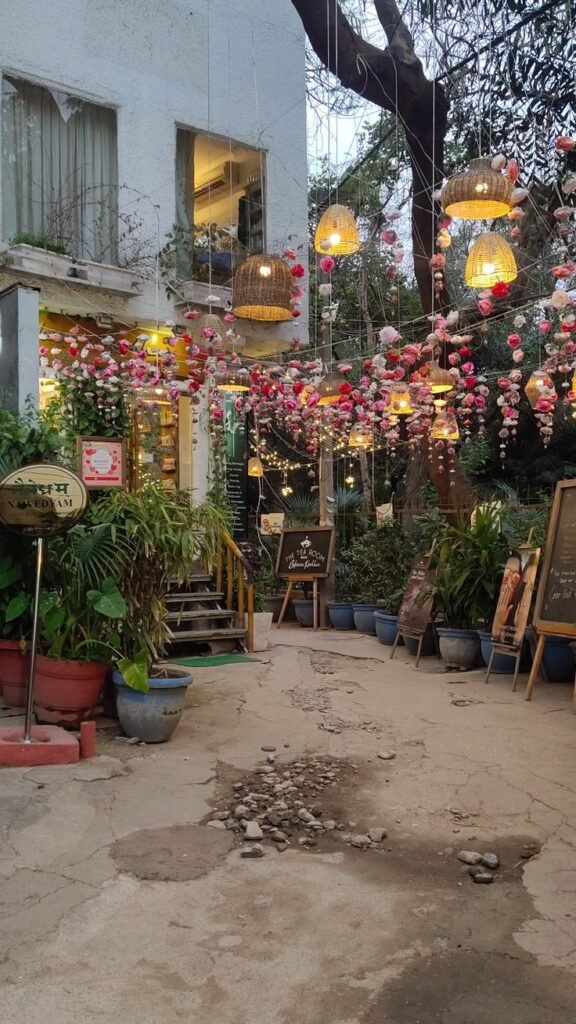
Why Choose Namastey Experience to Explore Delhi
To grasp the intersection of history and the present, it is necessary to explore Delhi with mindfulness. This is where the Namastey Exprience plays a crucial role. It is not merely about visiting historical sites but about developing a connection with the culture and history of Delhi.
**Mindful Exploration**
The Namastey Experience promotes slowing down and noticing. It is necessary to walk rather than hurry, listen rather than merely observe, and feel rather than simply click pictures to develop a connection with the culture and history of Delhi.
**Respect for Local Culture**
Saying “Namastey” to locals with respect, wearing proper attire when visiting cultural and religious sites, and following local customs can make travel experiences richer. This approach enables visitors to connect with the culture and history of Delhi in a genuine manner.
**Meaningful Interactions**
As a result of mindful travel, interactions with vendors, guides, and locals can be meaningful learning experiences. These experiences enable visitors to understand how the culture and history of Delhi continue to impact the present Delhi culture and history.
Contact
📍 Location: J-BLOCK 203, Ground Floor, Saket, New Delhi – 110017
📞 Call: +91 9990836740 | +91 9650187772
🌐 Book Now: www.namasteyhomes.com
| www.namasteyhomes.in
✨ NamasteyHomes—Where utility meets ultimate comfort.